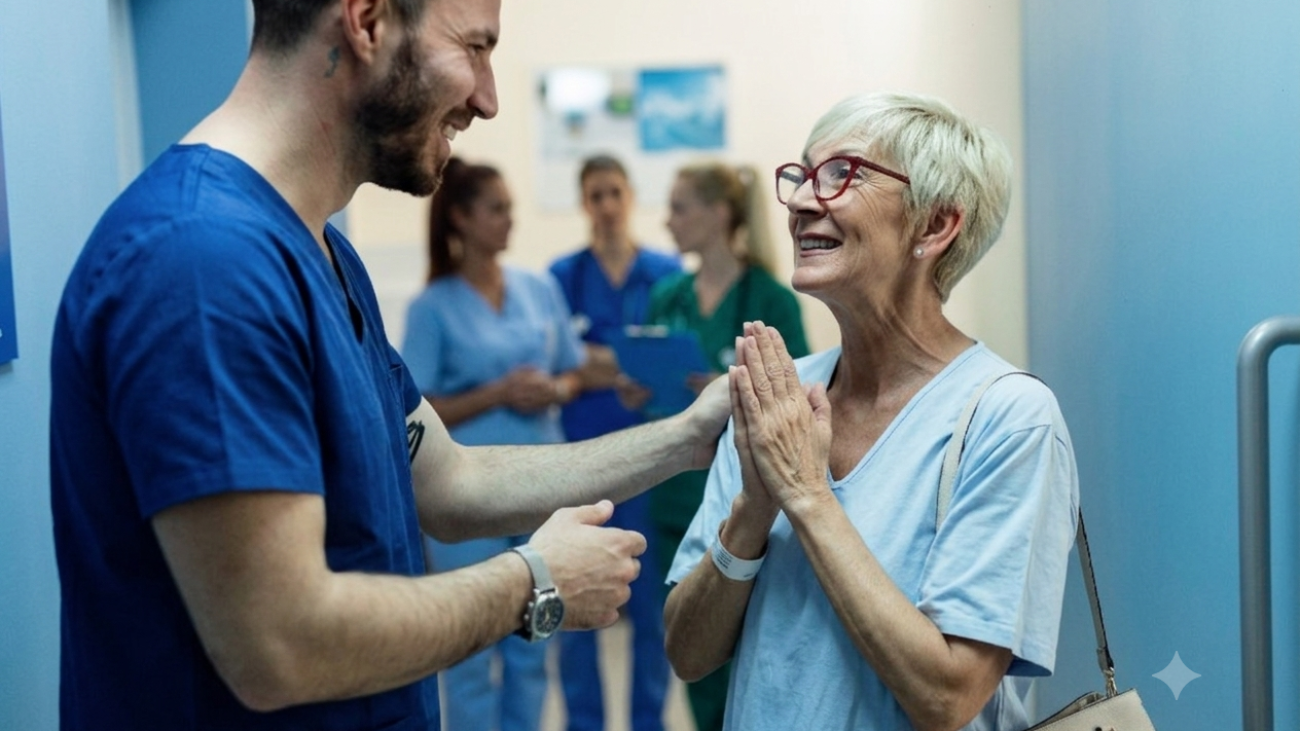

Orthopaedic nurses are required for high-demand RN jobs across USA

Welcoming July 2026: A Month of Vitality, Self-Care, and Mindful Wellness

Welcome to July! With the summer season in full swing, July brings a vibrant wave of energy, warmth, and outdoor gatherings. But beyond the pool parties and sunny getaways, this month offers a powerful opportunity to focus on our physical health, mental resilience, and global medical awareness.

From practising daily lifestyle habits that keep us grounded to celebrating national freedoms safely and uniting against global health challenges, July invites healthcare professionals and communities alike to step up their wellness game. Let’s dive into the major milestones that shape this month and how you can stay healthy, happy, and active all season long.

International Self-Care Day: Nurturing Your Everyday Wellness

3802741

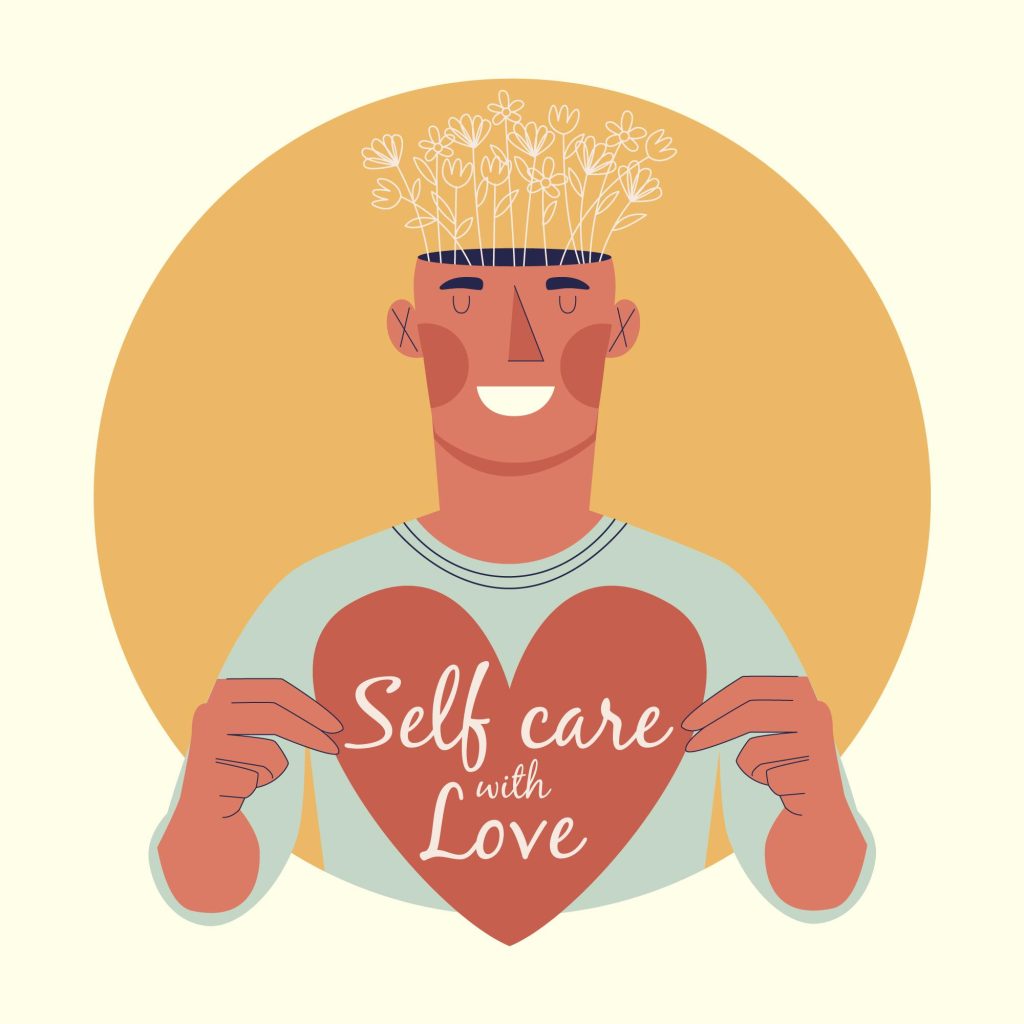
Observed globally on July 24th, International Self-Care Day is a vital reminder that taking care of your mind and body is a 24/7 commitment. The date itself—24/7—symbolizes that the benefits of self-care are experienced lifelong when practiced cumulative hours every single day.

For hardworking healthcare clinicians, travel nurses, and busy professionals, self-care isn’t a luxury; it is the foundation of preventing burnout and maintaining long-term health. True self-care is holistic, encompassing simple, actionable daily practices.

5 Pillars of a Strong Self-Care Routine:

  • Mental Pause: Dedicate just 10 minutes a day to mindfulness, deep breathing, or unplugging from your digital screens to lower stress hormones.
  • Active Movement: Engage in regular physical activity—whether it’s a brisk morning walk or a quick yoga session—to release endorphins and boost your cardiovascular health.
  • Nutritional Fuel: Keep your body resilient by prioritizing whole foods, lean proteins, and antioxidant-rich fruits that sustain your daily energy.
  • Restorative Sleep: Protect your sleep window. Getting 7 to 9 hours of quality rest gives your brain time to reset and your body time to repair.
  • Social Connection: Carve out time to speak face-to-face or catch up with loved ones to foster emotional well-being and a sense of community.

Independence Day: Celebrating Safely Under the Sun

Independence Day
Independence Day

The 4th of July is the cornerstone of summer celebration, bringing families together for back-to-back barbecues, parades, and stunning firework displays. While we look forward to the patriotic festivities, the combination of high summer heat and outdoor cooking requires a proactive approach to safety and preventative health.

Keep these essential wellness tips in mind to ensure your celebrations stay fun and incident-free:

  1. Hydrate Consistently: High temperatures increase the risk of heat exhaustion. Drink water regularly throughout the day, alternating any festive beverages with a full glass of H2O.
  2. Practice Food Safety: Bacteria multiply rapidly in the summer heat. Keep cold dishes on ice, cook meat to their proper internal temperatures, and never leave perishable foods sitting out for more than two hours (or one hour if it’s hotter than 90°F outside).
  3. Shield Your Skin: Apply a broad-spectrum SPF 30+ sunscreen at least 15 minutes before heading outdoors and reapply every two hours or immediately after swimming.
  4. Leave Fireworks to the Pros: Fireworks cause thousands of avoidable injuries every year. Attend professional public displays rather than using consumer fireworks at home to protect yourself and your family.

World Hepatitis Day: Uniting for Global Awareness

World Hepatitis Day
World Hepatitis Day

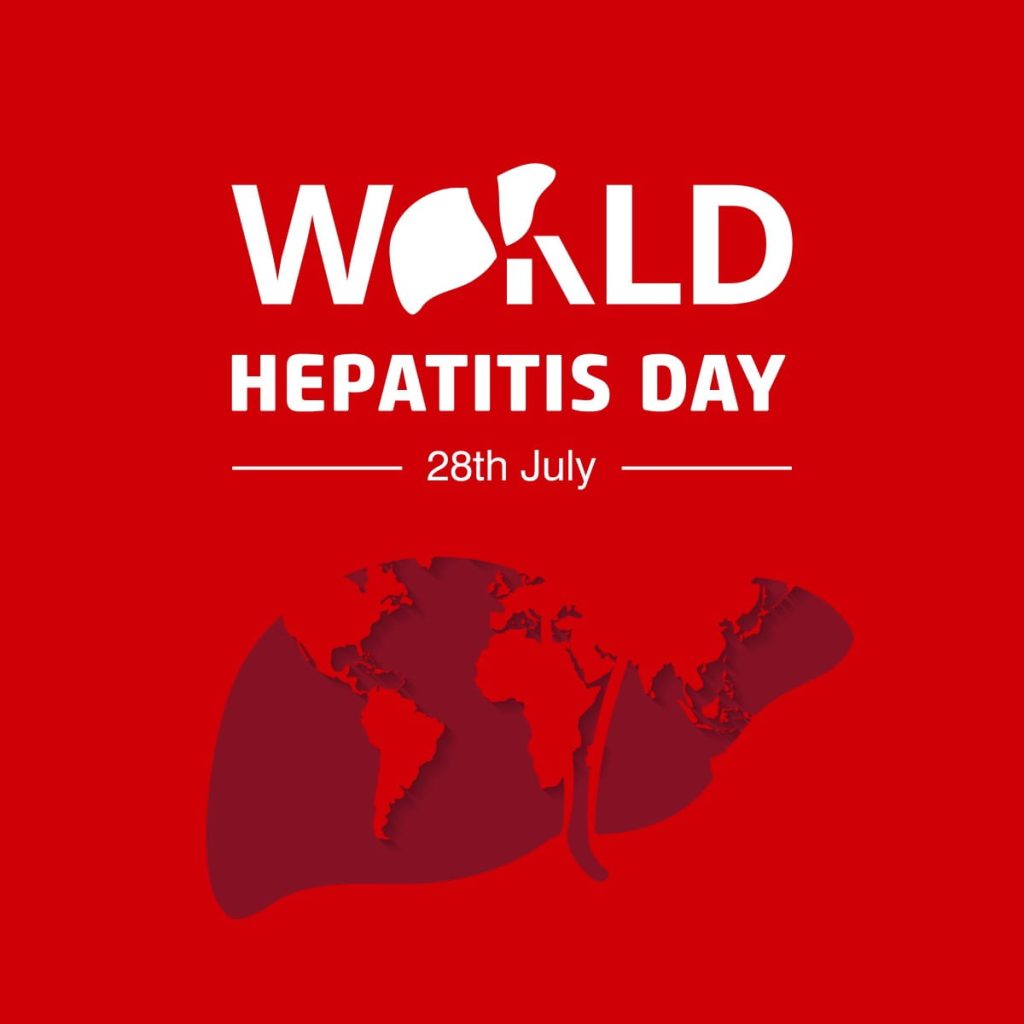
On July 28th, the global healthcare community stands together for World Hepatitis Day. This crucial health initiative aims to raise international awareness about viral hepatitis—an inflammation of the liver that can lead to severe liver disease, cirrhosis, and cancer if left undetected.

Millions of people worldwide live with chronic hepatitis without experiencing clear symptoms, making education, screening, and timely prevention essential.

Understanding the Varieties & Prevention:

  • Hepatitis A & E: Typically transmitted through contaminated food or water. Preventative measures include practicing strict hand hygiene, ensuring safe drinking water, and getting the Hepatitis A vaccine.
  • Hepatitis B, C, & D: Spread through contact with infected blood or bodily fluids. For healthcare professionals, strict adherence to universal precautions, safe injection practices, and routine screenings are primary lines of defense.
  • The Power of Testing: Advancements in modern medicine mean that Hepatitis B can be effectively managed with vaccines and treatments, while Hepatitis C can be completely cured with a short course of oral medication. Early screening saves lives.

Mark Your Calendar: Key July Healthcare Events

July is packed with specific days dedicated to professional appreciation, patient advocacy, and public wellness education. Take a moment to note these important dates:

DateEventWhat It’s About
July 3National Stay in the Sun Safety DayHighlighting UV safety education and skin cancer prevention during peak summer.
July 4Independence DayCelebrating national history while focusing on firework safety and heat hydration.
July 11World Population DayAddressing global healthcare access, reproductive rights, and sustainable development.
July 24International Self-Care DayEmphasizing the lifesaver habits of daily self-care for physical and mental longevity.
July 28World Hepatitis DayAccelerating global fight against viral hepatitis through testing and treatment access.
July 30International Day of FriendshipRecognizing the crucial role that supportive relationships play in emotional health.

Final Thoughts

July 2026 serves as a beautiful reminder that taking care of our health is a collaborative effort. It’s about creating daily spaces for self-care, protecting our loved ones during holiday celebrations, and spreading critical medical knowledge to eliminate global diseases.

The Month of May is a Celebration of Healthcare

Healing Hearts and Minds: Celebrating a Month of Care and Resilience

May is a powerhouse month in the healthcare world. It is a time when we collectively pause to recognize the pillars of our medical system and the intricate layers of our personal well-being. From the tireless dedication of our nursing staff to the vital conversations surrounding mental health, this month serves as a reminder that healthcare is more than just biology, it’s about humanity.

Nurse Appreciation Week (May 6th – 12th): Superheroes Wear Scrubs

Nurse Appreciation Week

When we think of superheroes, we often imagine capes, masks, and superhuman strength. But if you walk through the halls of any clinic or hospital, you’ll see that superheroes wear scrubs.

To every nurse reading this: That superhero is YOU.

Nursing is a profession that demands an incredible blend of clinical expertise and profound emotional intelligence. While doctors might diagnose and prescribe, it is the nurse who stays by the bedside, monitors the subtle shifts in a patient’s condition, and offers the comforting word that eases a family’s anxiety. Your courage, care, and compassion are as powerful and healing as any medicine.

Why You Are the Heart of Healthcare

  • The Power of Presence: In a fast-paced medical world, nurses are the constant. You are the first face a patient sees in the morning and the last one they see at night.
  • Advocacy in Action: You are the primary advocate for your patients, ensuring their voices are heard and their needs are met within a complex system.
  • Resilience Under Pressure: Whether it’s an emergency room crisis or a long shift in a quiet ward, your ability to remain calm and focused is nothing short of heroic.

This week, we don’t just say “thank you” for the work you do; we honor the people you are. You give your heart to your work every day, and for that, we are eternally grateful.

Mental Health Awareness Month: “More Good Days”

Mental health awareness month
Mental Health Awareness Month

As we celebrate the healers, we must also focus on the healing of our own minds. This May, Mental Health America (MHA) has introduced a powerful theme: “More Good Days.”

In 2026, the focus has shifted toward community connection and providing tangible tools for wellness. We’ve moved past the era of just “raising awareness”- we are now in the era of acting. Mental health isn’t a destination; it’s a journey of finding balance, seeking support, and prioritizing the self.

According to the Mental Health Month Action Guide, here are five transformative steps you can take to foster your own well-being:

1. Set Healthy Boundaries

Mental health often begins with the word “no.” Setting boundaries in your personal and professional relationships protects your energy. It’s okay to step back from toxic dynamics or to limit your commitments to ensure you aren’t pouring from an empty cup.

2. Micro-Changes for Macro Impact

You don’t need to overhaul your entire life in a day. Making small changes to your fitness regime and daily meals can significantly transform your mood. Whether it’s a ten-minute walk or choosing a more nourishing lunch, these small “wins” accumulate into lasting mental clarity.

3. The Art of the “Reset”

In our “always-on” culture, rest is a radical act. Taking intentional breaks and scheduling time for relaxation isn’t a luxury, it’s a biological necessity. Whether it’s a digital detox or a quiet afternoon, give yourself permission to unplug.

4. Start Professional Treatment

There is no shame in seeking expert help. Whether through therapy, medication, or support groups, starting treatment is a sign of strength, not weakness. Accessing the right tools can be the catalyst for moving from surviving to thriving.

5. Become an Advocate

Change doesn’t just happen in the therapist’s office; it happens in the halls of government. By being an advocate for policy change, you help ensure that mental health resources are accessible, affordable, and designated for everyone in the community.

Ready to take the first step? Visit the Mental Health Action Guide to start your path to personal well-being today.

A Calendar of Care: Other May Awareness Events

While Nurse Appreciation and Mental Health take center stage, May is rich with other opportunities to learn, support, and grow. Mark your calendars for these vital observances:

DatesObservanceResource Link
May 3rd – 9thChildren’s Mental Health AwarenessFFCMH Action Week
May 10th – 16thNational Hospital WeekAHA.org
May 10th – 16thNational Women’s Health WeekWomenshealth.gov
May 1st – 31stNational Stroke Awareness MonthStroke.org
May 1st – 31stMental Health Awareness Month (NAMI)NAMI.org

Closing Thoughts

May is a reminder that we are all interconnected. When we support our nurses, we strengthen our healthcare system. When we prioritize our mental health, we strengthen our communities. This month let’s commit to more compassion, more advocacy, and—most importantly—more good days.

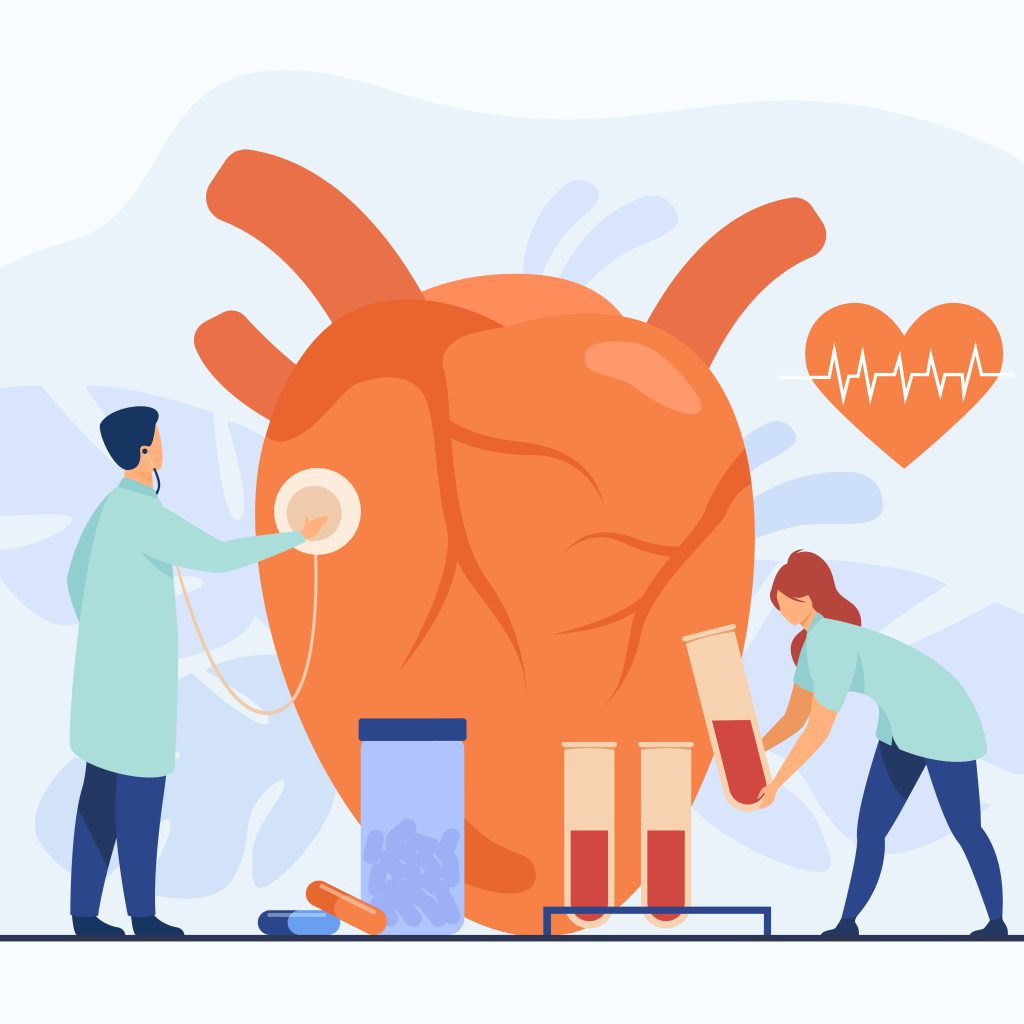
Registered Nurse Treating Heart Patient

Love Your Health: A Guide to February’s Wellness Milestones

February serves as a powerful month for self-care and global health advocacy. From standing in solidarity with cancer survivors to prioritizing the rhythm of our own hearts, February invites us to look inward and upward.

In this guide, we’re breaking down the three pillars of February wellness: World Cancer Day, American Heart Month, and the essential steps to Emotional Wellbeing.

1. United by Unique: World Cancer Day (February 4th)

World Cancer Day
World Cancer Day

The month kicks off with a global call to action. Observed every year on February 4th, World Cancer Day is a dedicated time to raise awareness, improve education, and catalyze personal, collective, and government action.

The theme for this year continues to be “United by Unique.” It is a poignant reminder that while cancer is a global health crisis, the journey is deeply personal. Every diagnosis, every recovery story, and every battle lost is unique. However, we are united in the belief that equitable access to care is a human right, not a privilege.

By fostering compassionate care and ensuring that resources are available regardless of zip code or income, we can reduce the global burden of cancer. Whether it’s through early screening or supporting a loved one through treatment, your involvement matters.

Take Action: Learn more about how you can contribute to the movement by visiting WorldCancerDay.org.

2. Matters of the Heart: American Heart Month

American Heart Health Month

While we celebrate love on the 14th, February is also Heart Health Month. Our hearts do the heavy lifting every single day, and this month is the perfect time to give that vital muscle some extra attention.

National Wear Red Day

Mark your calendars for Friday, February 6th. This is National Wear Red Day, a specific initiative aimed at raising awareness for women’s cardiovascular health. Heart disease remains a leading health threat for women, and by wearing red, we help fund research and education that saves lives.

4 Pillars of a Healthy Heart

Keeping your heart in peak condition doesn’t require an overnight life overhaul. It’s about small, consistent habits:

  • Nutrition: Focus on “fueling” rather than just “eating.” Incorporate colorful fruits, vegetables, whole grains, and lean proteins into your meals.
  • Exercise: Your heart is a muscle that needs a workout. Whether it’s a brisk walk, a high-energy dance class, or a restorative yoga session, keep moving.
  • Stress Management: High stress levels can take a physical toll on your cardiovascular system. Practice deep breathing or mindfulness to keep your blood pressure in check.
  • Medication & Connection: If you’ve been prescribed medication by a cardiologist, consistency is key. Always keep your physicians updated on your progress and never skip a check-up.

For more resources on keeping your ticker top-notch, check out the American Heart Association’s Heart Month page and learn how to Go Red For Women.

3. The Foundation of Wellness: 5 Ways to Improve Emotional Wellbeing

Emotional Well Being

Wellness isn’t just physical; it’s emotional. By prioritizing your mental health, you build the resilience needed to handle life’s inevitable curveballs. If you’ve been feeling overwhelmed, here are five ways to get back on track:

I. Express Yourself

Stay connected to the things that make you you. Whether it’s getting lost in a book, playing your favorite music, or engaging in deep topical discussions with friends, expressing your personality is a vital outlet for stress.

II. Learn to Relax and Take Breaks

We live in a “hustle” culture, but your body needs downtime to lower its pulse rate. You can naturally generate endorphins through:

  • Professional body massages.
  • Laughter (watch a comedy!).
  • Eating spicy foods (yes, it works!).

III. Keep Active

Physical activity is one of the fastest ways to trigger a “mood boost.” When you move, your body releases endorphins that act as natural stress-fighters. Even ten minutes of movement can shift your perspective.

IV. Try Relaxation Techniques

Cultivate a sense of inner peace through sensory perception. Mindfulness and meditation aren’t just buzzwords, they are tools. Try sitting quietly and focusing on your five senses to ground yourself in the present moment.

V. Talk to Someone

Don’t carry the weight alone. Talking out your issues with a trusted friend, family member, or professional helps release built-up tension. Often, the act of vocalizing your thoughts helps you discover the root cause of your discomfort.

Final Thoughts

February is a short month, but it is packed with opportunities to improve our quality of life. By standing together for World Cancer Day, protecting our hearts, and nurturing our emotional health, we set a foundation for a vibrant year ahead.

High-paying RN jobs this fall in USA

High-Paying RN Jobs This Fall in the USA

As we enter the fall season, healthcare systems are preparing for the annual respiratory surge that typically peaks between October and March. This creates exceptional opportunities for registered nurses, particularly in specialties where demand—and earning potential—soars. At Clover Staffing, we’re connecting RNs with these premium-paying roles every day.  Explore high-paying RN jobs now! 

The demand for skilled nurses remains consistently high across the United States, but certain specialties stand out for their exceptional earning potential. This fall, as healthcare systems continue to adapt and evolve, understanding which high-paying RN jobs command the highest salaries can be a game-changer for your career. 

Let’s dive into some of the most lucrative RN specialties that are shining bright this fall. 

1. Intensive Care Unit (ICU) Nurse *Peak Season Specialty 

ICU nurses in high-paying RN jobs

ICU nurses are the backbone of critical care, providing round-the-clock monitoring and intervention for patients with severe and life-threatening medical conditions. They manage complex medical equipment, administer powerful medications, and make rapid, critical decisions, often under immense pressure. 

Why It Commands Premium Pay:  

The high-stakes environment and complex patient conditions require nurses with exceptional clinical judgement and technical expertise. During respiratory surge seasons, ICU demand skyrockets, often leading to premium pay rates, overtime opportunities, and seasonal bonuses. ICU nurses manage multiple drips, ventilators, and monitoring equipment while coordinating care with multidisciplinary teams. The seasonal surge in respiratory patients requiring mechanical ventilation makes these skills particularly valuable from October through March. According to Glassdoor 2025 survey, the average annual salary of an ICU nurse is $98,000 per year.

Required Skills & Certifications: 

  • CCRN (Critical Care Registered Nurse) certification highly valued 
  • Advanced knowledge of hemodynamics and critical care pharmacology 
  • Proficiency with ventilators, dialysis machines, and monitoring equipment 
  • Strong assessment and rapid response capabilities 
  • Experience with respiratory protocols and ventilator management 

2. Emergency Room (ER) Nurse *Peak Season Specialty 

ER nurses thrive in a fast-paced, unpredictable environment, caring for patients with a wide range of conditions, from minor injuries to life-threatening emergencies. They must be adept at rapid assessment, stabilization, and prioritization, often managing multiple critical patients simultaneously. 

Why It Commands Premium Pay (Especially This Season): 

The unpredictable nature of emergency care requires nurses with broad clinical knowledge and exceptional multitasking abilities. During the October-March respiratory surge, ER see dramatic increases in patient volumes, with many requiring immediate respiratory support and triage for potential ICU admission. The high-stress environment, increased shift work needs, and seasonal surge demand often result in enhanced compensation packages, including crisis pay and overtime premiums. According to Bureau of Labor Statistics data, the average annual salary of an ER nurse is $111,166 per year or $53.45 per hour.

Required Skills & Certifications: 

  • CEN (Certified Emergency Nurse) certification preferred 
  • TNCC (Trauma Nursing Core Course) certification 
  • Advanced cardiac life support (ACLS) and advanced pediatric life support (PALS) 
  • Triage assessment expertise and crisis management skills 
  • Strong respiratory assessment and emergency intervention skills 

 
Ready for your next ER assignment? See open ER roles with Clover Staffing 

3. Neonatal Intensive Care Unit (NICU) Nurse 

Caring for the tiniest and most vulnerable patients, NICU nurses are specialists in the critical care of newborns, particularly those born prematurely or with life-threatening illnesses. This demanding role requires delicate touch, profound medical knowledge, and the ability to communicate calmly with anxious parents. 

Why It Commands Premium Pay: 

The extraordinary level of precision required for neonatal care drives high compensation in this specialty. NICU nurses must master delicate procedures, such as managing tiny IV lines, operating specialized incubators and ventilators, and administering medications in precise doses. The emotional intensity of supporting families through critical moments, combined with the need for advanced monitoring skills, makes these nurses invaluable to healthcare teams. 

Required Skills & Certifications: 

  • Neonatal Resuscitation Program (NRP) certification 
  • RNC-NIC (Neonatal Intensive Care Nursing) specialty certification preferred 
  • Advanced knowledge of fetal development and neonatal physiology 
  • Expertise in specialized equipment and monitoring systems 

Ready for your next NICU assignment? See open NICU roles with Clover Staffing 

4. Operating Room (OR) Nurse / Perioperative Nurse 

OR nurses in high paying RN jobs

OR nurses, also known as perioperative nurses, are essential before, during, and after surgical procedures. They can specialize as scrub nurses (maintaining a sterile field and assisting the surgeon) or circulating nurses (managing the OR environment, advocating for the patient, and ensuring safety). 

Why It Commands Premium Pay:

The specialized nature of surgical care demands meticulous attention to detail and extensive knowledge of surgical procedures and instrumentation. OR nurses operate in a high-stakes environment, directly impacting patient outcomes during surgery. The role requires sterile technique proficiency, the ability to anticipate surgeon needs, and rapid response to intraoperative complications. The consistent, high demand for skilled surgical staff across various specialties—from general to neurosurgery—contributes to higher salaries. According to Indeed 2025 data, the average annual salary of an OR nurse is $123,676 per year or $59.46 per hour.

Required Skills & Certifications:

  • CNOR (Certified Nurse Operating Room) certification highly valued
  • Advanced knowledge of surgical asepsis and sterile technique
  • Proficiency with surgical instrumentation and equipment (e.g., electrosurgery, laparoscopy)
  • Expertise in patient positioning and safety during surgery
  • Strong collaborative and communication skills with surgical teams (surgeons, anesthesiologists, techs)
  • Experience in circulating and scrubbing roles is a plus

Ready for your next OR assignment? See open OR roles with Clover Staffing 

5. Oncology Nurse 

Oncology nurses provide comprehensive care to patients with cancer, from diagnosis and treatment through remission or end-of-life care. This role requires not only clinical expertise in administering chemotherapy and managing side effects but also immense compassion and strong communication skills to support patients and their families through a challenging journey. 

Why It Commands Premium Pay:

The complexity of cancer treatments, which include administering chemotherapy and immunotherapy, require specialized and continually updated knowledge of drug protocols, side effect profiles, and advanced symptom management. The emotional intensity of supporting patients through a cancer diagnosis and treatment is also a significant factor. Oncology nurses often manage complex patient cases requiring advanced assessment skills to detect subtle changes that could indicate complications like neutropenic fever or tumor lysis syndrome.

Required Skills & Certifications:

  • OCN (Oncology Certified Nurse) certification highly valued
  • Expertise in chemotherapy administration and safety protocols
  • Advanced skills in pain and symptom management (e.g., nausea, fatigue, mucositis)
  • Proficiency in patient education regarding treatment plans and self-care
  • Strong emotional resilience and communication skills for end-of-life care and patient support
  • Knowledge of oncologic emergencies and rapid intervention

Ready for your next Oncology assignment? See open Oncology roles with Clover Staffing 

6. Cardiac Nurse 

Cardiac nurses are dedicated professionals who specialize in the care of patients with heart and vascular diseases. Their role involves a broad spectrum of care, including managing chronic conditions like heart failure and hypertension, providing pre- and post-operative care for heart surgeries, and educating patients on lifestyle changes. They are skilled in monitoring cardiac rhythms, administering specialized medications, and providing essential support and guidance to patients and their families throughout their treatment journey. 

Why It Commands Premium Pay:

The highly specialized nature of cardiac interventions, which often involve lifesaving, high-risk procedures, demands an advanced and unique skill set. Cardiac nurses in these roles must possess an in-depth understanding of cardiac anatomy, advanced hemodynamics, and sophisticated monitoring technology. The work has an immediate, critical impact on patient outcomes, and the necessity of coordinating care within a fast-paced, high-acuity environment contributes to their attractive salaries. Their expertise with advanced diagnostic and interventional technology is a key driver of the high compensation.

Required Skills & Certifications:

  • ACLS (Advanced Cardiac Life Support) certification is mandatory.
  • Specialty certifications such as CCRN-K (Cardiac Surgery), CV-BC (Cardiovascular Nursing Board Certified), or RCIS (Registered Cardiovascular Invasive Specialist) are highly valued.
  • Proficiency with cardiac-specific equipment (e.g., hemodynamic monitoring systems, intra-aortic balloon pumps, Impella devices).
  • Expert knowledge of cardiac pharmacology and emergency cardiac protocols.
  • Strong ability to rapidly assess and manage unstable cardiac patients.
  • Experience in pre-, intra-, and post-procedural care for catheterizations, ablations, and pacemaker insertions.

Ready for your next Cardiac assignment? See open Cardiac roles with Clover Staffing 

7. Orthopedic Nurse 

Orthopaedic nurses are required for high-demand RN jobs across USA

Orthopedic nurses specialize in the care of patients with musculoskeletal conditions, including fractures, arthritis, and surgical interventions like joint replacements. They are vital in pre-operative education, post-operative care, pain management, and rehabilitation. 

Why It Commands Premium Pay:

The sheer volume and complexity of orthopedic surgeries, which include everything from joint replacements (hips, knees, shoulders) to trauma care for fractures, drive the demand for specialized nurses. Orthopedic nurses possess specialized knowledge of musculoskeletal conditions, pre- and post-operative care, and complex pain management. The need for highly skilled nurses to manage recovery, rehabilitation, and patient mobility is constant, making this a well-compensated field.

Required Skills & Certifications:

  • ONC (Orthopedic Nursing Certification) highly valued
  • Advanced skills in post-operative care, including wound and drain management
  • Expertise in pain management protocols specific to musculoskeletal injury/surgery
  • Proficiency in patient mobility, safe handling, and assistive device training
  • In-depth knowledge of traction, casting, and continuous passive motion (CPM) equipment
  • Strong patient education skills regarding long-term rehabilitation and injury prevention

Ready for your next Orthopedic assignment? See open Orthopedic roles with Clover Staffing 

8. Psych Nurse 

Psychiatric-mental health nurses, also known as psych nurses, specialize in the care of individuals, families, and communities experiencing mental health disorders or substance abuse issues. They work in various settings, including hospitals, clinics, and community mental health centers, providing a wide range of services from assessing patients’ mental and physical health to administering medication and providing psychotherapy. 

Why It Commands Premium Pay:

The high demand for mental health professionals, coupled with the specialized skills required to manage complex behavioral and psychological conditions, makes this a high-paying career. These professionals play a critical role in promoting patient stability, recovery, and overall quality of life. The intellectual rigor, emotional labor, and extensive training involved justify the premium compensation.

Required Skills & Certifications:

  • State Licensure is mandatory for independent practice.
  • Specialized training in areas like Cognitive Behavioral Therapy (CBT), Dialectical Behavior Therapy (DBT), or psychopharmacology.
  • Advanced diagnostic skills using criteria from the DSM-5 (Diagnostic and Statistical Manual of Mental Disorders).
  • Exceptional interpersonal and communication skills for effective therapy and patient management.

Ready for your next Psych assignment? See open Psych roles with Clover Staffing 

Conclusion 

The nursing profession offers a diverse array of rewarding career paths, and for those looking to maximize their income, several specialties consistently stand out. This fall, whether you’re considering a move into advanced practice as a Psych nurse, dedicating yourself to the critical care of NICU babies, or thriving in the fast-paced environment of the ER, the opportunities for high-paying RN jobs are abundant. By combining specialized skills, advanced education, and strategic career planning, you can ensure your nursing career is as financially healthy as it is professionally fulfilling. 

Nurses in Healthcare

Dawn or Dusk: Figuring Out Your Ideal Shift as a Travel Nurse

The allure of travel nursing is multifaceted: new cities, diverse patient populations, rapid skill expansion, and often, more control over your professional life. But with this autonomy comes a crucial decision that can profoundly impact your well-being and job satisfaction:

Day shift or Night shift?

Unlike permanent staff nurses who might settle into a routine, travel nurses frequently encounter shifts that differ from their preferred schedule. Understanding whether you truly thrive with the morning sun or under the moonlit sky isn’t just about personal preference; it’s about optimizing your performance, maintaining your physical and mental health, and ultimately, enjoying your travel nursing journey to the fullest. This isn’t a one-size-fits-all answer, and discovering your ideal shift requires self-awareness, honest assessment, and perhaps a bit of experimentation.

The Allure of the Day Shift

For many, the day shift (typically 7 AM to 7 PM) feels like the “natural” choice. It aligns with societal norms, family schedules, and most business hours.

Pros of Day Shift:

  • Synchronized Social Life: Your days off and work schedule will likely align with friends and family, making it easier to plan social events, outings, and visits.
  • Access to Services: Banks, doctor’s offices, retail stores, and government agencies typically operate during the day, simplifying errands and personal appointments.
  • Sunlight Exposure: Working during daylight hours helps maintain a natural circadian rhythm, which can lead to better sleep quality and improved mood due due to Vitamin D production.
  • Team Dynamics: Day shifts often have fuller staffing, with more physicians, specialists, and ancillary services readily available. This can mean more collaboration and quicker responses to patient needs.
  • Leadership Presence: Hospital management and department leaders are generally on-site during the day, which can be beneficial for communication, problem-solving, and professional development.
  • Patient Interaction: Day shifts often involve more family visits and direct patient engagement, allowing for deeper connections and more opportunities for patient education.

Cons of Day Shift:

  • Higher Patient Acuity/Volume: Day shifts can be incredibly busy, with more admissions, discharges, procedures, and patient activity. This often translates to a faster pace and higher stress levels.
  • Increased Traffic/Commute: Commuting during peak hours can add significant time and frustration to your workday, especially in larger cities.
  • Limited Off-Peak Exploration: Your days off might coincide with peak tourist times, making it harder to explore your new city without crowds or higher costs.

The Mystique of the Night Shift

Night shifts (typically 7 PM to 7 AM) have a unique rhythm and a distinct culture. They often appeal to a specific personality type or those seeking different benefits.

Pros of Night Shift:

  • Reduced Traffic: Commuting during off-peak hours can drastically cut down on travel time, allowing for more rest or personal time.
  • Quieter Environment: Hospitals are generally calmer at night, with fewer visitors, scheduled procedures, and administrative activities. This can allow for more focused patient care and less distraction.
  • Increased Autonomy: With fewer layers of management present, night shift nurses often have more autonomy and are empowered to make decisions.
  • Stronger Team Bonds: The “night crew” often forms tight-knit bonds, relying heavily on each other for support and collaboration in a quieter environment.
  • Higher Differential Pay: Many facilities offer a “night shift differential,” meaning you earn more per hour for working overnight, which can significantly boost your overall income as a travel nurse.
  • Easier Off-Peak Exploration: Your “daytime” off allows you to explore your new city during less crowded hours, visit attractions, or enjoy quiet time.

Cons of Night Shift:

  • Disrupted Circadian Rhythm: Consistently flipping your sleep schedule can take a toll on your body, leading to fatigue, irritability, and long-term health issues (e.g., sleep disorders, metabolic problems).
  • Social Isolation: Your schedule may clash with friends and family, leading to feelings of isolation and making social planning challenging.
  • Limited Access to Services: Running errands or scheduling appointments during “normal” business hours can be difficult, requiring careful planning around your sleep schedule.
  • Fewer Resources: Fewer ancillary staff (e.g., physical therapy, social work, lab phlebotomists) and on-site physician presence can mean more tasks fall to the nurse.
  • Safety Concerns: Commuting in the dark or working in unfamiliar environments late at night can raise personal safety concerns for some.
  • Mental Well-being: The lack of sunlight and disruption to routine can impact mood and increase the risk of depression for some individuals.

How to Discover your Ideal Shift

So, how do you determine which shift is your sweet spot as a travel nurse?

1. Honest Self-Assessment of Your Biology:

  • Are you a natural early bird or a night owl? This is the most crucial factor. Do you naturally wake up with the sun feeling refreshed, or do you struggle to get going before noon?
  • How adaptable is your body? Can you genuinely “flip” your sleep schedule for consecutive days without feeling completely drained? Some people adapt easily; others struggle immensely.
  • Do you have underlying health conditions? Conditions like migraines, digestive issues, or mood disorders can be exacerbated by circadian rhythm disruption.

2. Evaluate Your Lifestyle Needs:

  • What are your personal priorities? Do you prioritize a vibrant social life, family time, or solo exploration of your new location?
  • Are you a morning person for errands? If you hate dealing with crowds or appreciate having businesses open when you’re awake, day shift might be easier.
  • Do you have significant commitments? Childcare, appointments, or classes often dictate a day shift preference.
  • What’s your financial goal? If maximizing income is your primary driver, the night shift differential can be a significant draw.

3. Consider Your Personality and Work Style:

  • Do you thrive in a fast-paced, high-energy environment? Day shifts often provide this.
  • Do you prefer a calmer, more autonomous pace? Night shifts might offer this peace.
  • How do you handle being alone? Night shifts often involve more independent work.
  • How do you handle less direct supervision? Night shifts tend to have less oversight.

4. Experiment (When Possible):

  • If you’ve only worked one shift type, try to secure an assignment with the other to gain firsthand experience. Even a few weeks can be telling.
  • Talk to other travel nurses who work both shifts. Their perspectives can offer valuable insights.

5. Listen to Your Body and Mind:

  • Sleep Quality: Are you getting consistent, restorative sleep? This is paramount.
  • Energy Levels: Do you feel perpetually exhausted, or do you have enough energy for work and leisure?
  • Mood and Mental Health: Are you experiencing increased irritability, anxiety, or feelings of isolation?
  • Physical Health: Are you noticing more frequent headaches, digestive upset, or other physical symptoms? These are clear indicators that your current shift might not be sustainable.

Making the Choice as a Travel Nurse

The beauty of travel nursing, especially with a supportive agency like Clover Health Services, is flexibility. If you find a night shift isn’t working, you can seek a day shift for your next contract. If you discover a newfound love for the quiet hustle of the night, you can prioritize those roles.

Ultimately, your ideal shift is the one that allows you to:

  • Perform at your best clinically: You need to be alert and effective for your patients.
  • Maintain your physical health: Sustainable sleep and energy are non-negotiable.
  • Support your mental well-being: You should feel content, connected, and not overwhelmed.
  • Achieve your personal goals: Whether it’s exploring a new city, saving money, or spending time with loved ones.

Take the time to reflect on these factors. Your success as a travel nurse isn’t just about the money or the destination; it’s about finding a rhythm that allows you to truly thrive. Embrace the journey of discovery, and let your body and mind guide you to your perfect shift.

December Focus : Health, Rights and Global Action

Travel Nursing: Navigating Trends, Tackling Challenges, and Predicting the Future

Travel nursing has exploded in popularity, offering healthcare professionals flexibility, adventure, and the chance to make a real impact. The freedom to explore, the promise of high pay, and the opportunity to make a real difference – continues to captivate many nurses. However, the industry has undergone significant changes in recent years, leaving some to wonder if it’s still the best career move. In 2025, this dynamic field continues to evolve, presenting both exciting opportunities and unique challenges

In this post, we’ll delve into the current state of travel nursing, exploring the key trends, challenges, and future predictions that will shape the lives of travel nurses.

Key Trends Shaping Travel Nursing in 2025:

As the healthcare industry continues to evolve, travel nursing is experiencing significant shifts that will shape the field in the coming years. From longer assignments to a heightened focus on well-being and sustainability, these travel nursing trends are not only redefining the role of travel nurses but also influencing how they deliver care and support the healthcare system. Below are some of the most notable trends currently shaping travel nursing in 2025.

  • The Rise of Long-Term Assignments: While traditional short-term contracts remain popular, there’s a growing demand for travel nurses to fill long-term positions, often exceeding 13 weeks. This trend is driven by factors such as staffing shortages, complex patient needs, and the desire for stability for both travelers and facilities.
  • Specialization is Key: With the healthcare industry becoming increasingly specialized, demand is high for travel nurses with niche skills. Specialties like critical care, emergency medicine, and operating room nursing are in particularly high demand.
  • Technology Integration: Technology plays an increasingly vital role in defining the travel nursing trends. From telehealth and remote patient monitoring to streamlined onboarding and communication platforms, technology is enhancing the travel nursing experience and improving patient care.
  • Focus on Well-being: Travel nursing agencies and healthcare facilities are increasingly prioritizing the well-being of travel nurses. This includes offering comprehensive benefits packages, mental health support, and resources for maintaining work-life balance while on assignment.
  • Sustainability and Ethical Considerations: There’s a growing emphasis on sustainability and ethical practices within the nursing travel industry. This includes minimizing environmental impact, supporting local communities, and ensuring fair compensation and working conditions for travel nurses.

Challenges Facing Travel Nursing in 2025:

While the need for travel nurses is driven by factors such as staffing shortages and the ongoing pressures on healthcare systems, there are also significant hurdles to overcome. From issues like burnout and compassion fatigue to navigating complex licensing requirements, these challenges can impact the effectiveness and well-being of travel nurses. Additionally, ethical considerations and maintaining a healthy work-life balance are becoming increasingly important aspects of the profession. Below are some of the key challenges that travel nurses encounter in their work.

  • Staffing Shortages: The ongoing healthcare worker shortage continues to drive demand for travel nurses, but it also creates challenges for agencies and facilities to fill positions quickly and effectively.
  • Burnout and Compassion Fatigue: The demanding nature of this profession can lead to burnout and compassion fatigue. Nurses who travel often face high-stress situations and long hours, which can take a toll on their mental and emotional well-being.
  • Maintaining Work-Life Balance: Balancing work with personal life can be challenging for travel nurses, especially when they are away from home for extended periods.
  • Licensing and Credentialing: Navigating the complexities of licensing and credentialing requirements in different states can be a significant hurdle for health care professionals who travel.
  • Ethical Concerns: Issues such as fair compensation, ethical recruitment practices, and the impact of travel nursing on local healthcare systems require ongoing attention and ethical considerations.

Predictions for the Future of Travel Nursing:

Emerging technologies, a growing focus on diversity and inclusion, and expanded global opportunities are just a few of the trends set to influence the profession in the coming years. Additionally, the emphasis on ongoing education and professional development, along with greater collaboration among key stakeholders, will play a vital role in advancing the field.

  • Greater Focus on Diversity and Inclusion: The travel nursing industry will continue to prioritize diversity and inclusion, ensuring that all qualified healthcare professionals have equal opportunities to travel and contribute to patient care.
  • Increased Use of AI and Predictive Analytics: Artificial intelligence (AI) and predictive analytics will play an increasingly important role in this industry going forward, from matching travelers with suitable assignments to predicting staffing needs and optimizing travel schedules.
  • Rise of Global Travel Nursing: As the global healthcare landscape evolves, there will be increasing opportunities for travel nurses to work internationally, expanding their horizons and contributing to healthcare systems worldwide.
  • Emphasis on Continuing Education and Professional Development: The demand for highly skilled and adaptable travel nurses will continue to grow, emphasizing the importance of ongoing education, professional development, and specialized training.
  • Greater Collaboration Between Stakeholders: Stronger collaboration between travel nursing agencies, healthcare facilities, and professional organizations will be crucial to address the challenges and capitalize on the opportunities within this dynamic field.

Conclusion:

Travel nursing remains a rewarding and dynamic career path for healthcare professionals seeking adventure, flexibility, and the opportunity to make a significant impact on patient care. By embracing emerging trends, addressing the challenges, and fostering collaboration and innovation, this industry can continue to thrive and evolve in the years to come.

Clover Health Services offers a compelling opportunity for travel nurses seeking high-paying positions. Our network of hospitals and healthcare facilities across the country provides diverse assignments in various specialties across best travel nursing destinations in USA. Clover Health emphasizes competitive compensation packages, including premium pay rates, travel stipends, and comprehensive benefits thus taking good care of healthcare professionals who provide care to everyone else.