August Wellness Month Series

August 2025: A Month to Prioritize Health and Awareness

At Clover Health Services, we’re deeply committed to the well-being of our community, both the healthcare professionals we connect with and the patients they serve. As August 2025 unfolds, it brings with it several significant health awareness initiatives that deserve our attention and support.

From battling a formidable disease like lung cancer to ensuring the purity of our vital water resources, this month offers opportunities for education, advocacy, and collective action. Join us as we delve into these crucial topics and highlight how we can all contribute to a healthier future.

World Lung Cancer Day: Lighting the Way for Awareness and Hope (August 1st)
Word Lung Cancer Day
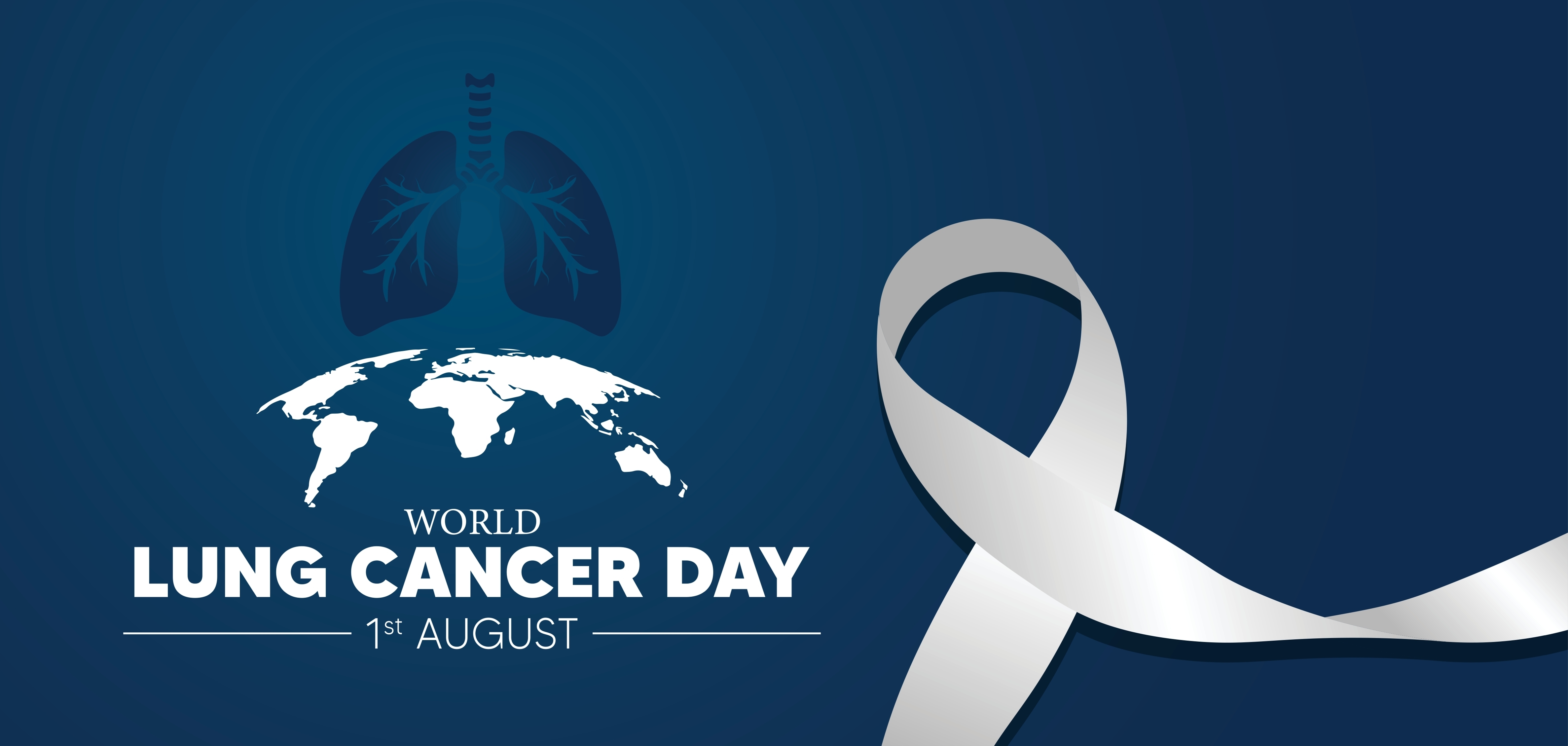
World Lung Cancer Day

Every year on August 1st, organizations across the globe unite to observe World Lung Cancer Day. This vital campaign serves as a powerful reminder of the devastating impact of lung cancer, a disease that sadly affects over 200,000 individuals in the United States alone.

It’s a day dedicated to raising awareness, advocating for quality healthcare and resources, supporting crucial research for effective treatments, promoting the importance of early detection, and sharing the inspiring stories of breakthroughs and the lived experiences of those diagnosed, as well as their devoted loved ones.

Lung cancer remains a leading cause of cancer-related deaths worldwide, often diagnosed at later stages when treatment options are more limited. This is why the core tenets of World Lung Cancer Day – advocacy, research support, early detection, and shared experiences – are so critical.

  • Advocating for Quality Healthcare and Resources: We must actively support policies and initiatives that ensure equitable access to comprehensive lung cancer care, including screening programs, advanced diagnostics, and cutting-edge treatments.
  • Supporting Research for Treatment: Continued investment in scientific research is paramount to developing innovative therapies, improving survival rates, and ultimately finding a cure for this complex disease. Every contribution, no matter the size, can fuel these vital efforts.
  • Promoting Early Detection: Educating the public about the risk factors, potential symptoms, and the benefits of early screening for high-risk individuals can significantly improve outcomes.
  • Sharing Stories of Breakthroughs and Experiences: The journeys of lung cancer patients and their families are filled with resilience, strength, and hope. Sharing these stories not only raises awareness but also provides invaluable support and a sense of community for others facing similar challenges.

Clover Health Services encourages everyone to participate in World Lung Cancer Day. Let’s stand together, amplify our voices, and support the fight against lung cancer.

SMA Awareness Month: Understanding and Supporting Spinal Muscular Atrophy
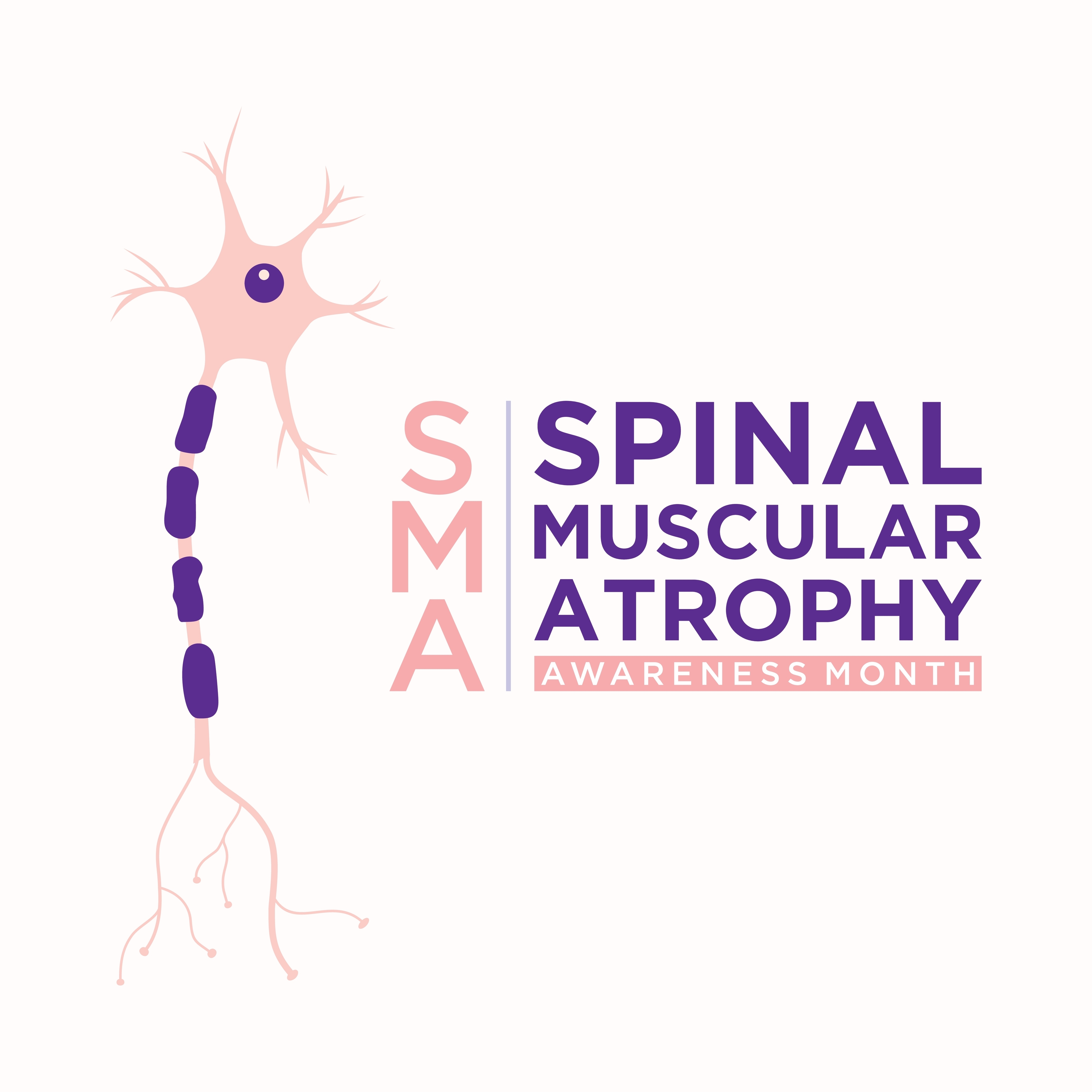
Spinal Muscular Atrophy Month in August

August also marks SMA Awareness Month, a time dedicated to increasing understanding and support for Spinal Muscular Atrophy (SMA). SMA is a genetic disease that leads to muscle weakness and atrophy (shrinking) due to the loss of motor neurons in the spinal cord. While currently there is no cure for SMA, significant advancements in treatment have been made, offering individuals with SMA the potential for a greatly improved quality of life.

Raising awareness about SMA is crucial for several reasons:

  • Early Diagnosis: Increased awareness among parents and healthcare professionals can lead to earlier diagnosis, allowing for timely intervention with available treatments, which can be most effective when starting early.
  • Support for Research and Development: Continued awareness helps to drive funding and support for ongoing research into new and more effective therapies, as well as potential future cures.
  • Building a Supportive Community: Awareness initiatives help connect individuals and families affected by SMA, fostering a strong sense of community and shared understanding.
  • Advocacy for Access to Care: Raising the profile of SMA helps advocate for policies that ensure access to necessary treatments, therapies, and support services for all individuals living with the condition.

National Water Quality Month: Protecting Our Most Precious Resource
National Water Quality Month

Clean water is the very essence of life, vital for all living organisms and the delicate balance of our ecosystems. National Water Quality Month, observed every August, serves as a critical reminder of the potential threats to our water sources and encourages active participation in protecting and improving this invaluable resource.

The importance of National Water Quality Month cannot be overstated:

  • Essential to Life: Clean water is fundamental for drinking, sanitation, agriculture, industry, and countless other aspects of our daily lives and the functioning of our society.
  • A Global Crisis: Millions around the world lack access to safe and clean drinking water, contributing to significant health issues and hindering development. Recognizing the interconnectedness of global water resources is crucial.
  • Long-Term Sustainability: Protecting our water resources today is an investment in the future, ensuring their availability and quality for generations to come. Sustainable practices are essential for responsible water management.

During National Water Quality Month, we are all called to reflect on our relationship with water and take action to protect it. This might involve participating in local clean-up initiatives, conserving water in your daily life, supporting organizations dedicated to water quality, or advocating for responsible water management policies.

Monthly Wellness Message: Understanding Digestive Tract Paralysis (DTP)
August is Digestive Tract Paralysis Awareness Month

As part of our ongoing commitment to your wellness, this August we want to shed light on Digestive Tract Paralysis (DTP) Awareness Month. DTP, also known as gastroparesis or other related motility disorders, is a condition that impairs the normal movement of food through the digestive tract. The symptoms can vary widely depending on the specific condition and their severity, but common signs include:

  • Nausea and vomiting
  • Feeling full quickly after eating only a small amount
  • Abdominal pain and bloating
  • Loss of appetite and unintentional weight loss
  • Constipation or difficulty passing stool
  • Heartburn and acid reflux
  • In severe cases, dehydration and malnutrition

The underlying causes of DTP can be diverse, ranging from complications of diabetes, post-surgical issues, certain medications, and neurological conditions. In some instances, the cause of DTP remains unknown (idiopathic).

Digestive Tract Paralysis Awareness Month provides a valuable opportunity to:

  • Increase Understanding: Many people are unaware of DTP and its impact on individuals’ lives. Raising awareness helps to educate the public and reduce stigma.
  • Support Research: Increased awareness can lead to greater support for research aimed at improving diagnosis, treatment options, and ultimately finding cures for these conditions.
  • Empower Patients: Providing information and resources empowers individuals living with DTP to better understand their condition, seek appropriate medical care, and connect with support networks.

Summer Sun Safety Month: Staying Safe Under the August Sun

Summer Sun Safety Month

As we continue to enjoy the warmth and longer days of summer, it’s crucial to remember the importance of Summer Sun Safety. August is a prime time to reinforce awareness around the potential dangers of excessive sun exposure and how to effectively protect we from sun-related health issues, including premature skin aging and skin cancer.

This summer has indeed brought intense heat waves and unusually bright sunlight, underscoring the need for diligent sun protection. Here are some helpful tips to keep in mind (as an AI overview reminds us):

  • Wear Sunscreen: Always apply a broad-spectrum sunscreen with an SPF of 30 or higher to all exposed skin, even on cloudy days. Reapply every two hours, or immediately after swimming or sweating.
  • Wear Sunglasses: Protect your eyes with sunglasses that offer 100% UVA and UVB protection.
  • Wear Protective Clothing: When possible, opt for long-sleeved shirts, wide-brimmed hats, and long pants to shield your skin from the sun’s harmful rays.
  • Seek Shade: Limit direct sun exposure, especially during peak hours, which are typically between 10 a.m. and 4 p.m. Utilize shade whenever possible.
  • Stay Hydrated: Drink plenty of water throughout the day, especially when spending time outdoors.

For more comprehensive health and safety tips, as well as interesting facts about Summer Sun Safety, we encourage you to visit [Insert Link Here – Replace with a link to a reputable sun safety resource]. By taking proactive steps to protect ourselves, we can enjoy the summer months safely and minimize the risks associated with sun exposure.

Clover Health Services: Your Partner in Health and Well-being

At Clover Health Services, our commitment extends beyond connecting talented healthcare professionals with rewarding opportunities. We are deeply invested in the overall health and well-being of our community. By raising awareness about these important health initiatives in August 2025, we hope to empower you with knowledge and encourage you to take meaningful action.

Whether it’s supporting research for lung cancer and SMA, advocating for clean water, understanding digestive health, or practicing sun safety, every effort contributes to a healthier and more informed society. Together, we can make a difference.

Stay safe, stay healthy, and thank you for being a part of the Clover Health Services community.
Hartford Healthcare

Clover Health Services Celebrates Hartford HealthCares AHA Quest for Quality Prize

To the esteemed leadership and entire team at Hartford HealthCare, on behalf of everyone at Clover Health Services, we extend our sincerest congratulations on being named the 2025 recipient of the American Hospital Association (AHA) Quest for Quality Prize!

This prestigious award is a testament to your unwavering commitment to excellence and innovation in healthcare, and it truly exemplifies why Hartford HealthCare is one of our most valued and trusted clients.

A Culture of Relentless Improvement at Hartford Healthcare

Your mantra, “the best at getting better,” resonates deeply with us and is clearly woven into the fabric of your entire health system. We’ve long admired Hartford HealthCare’s dedication to teamwork, high-reliability training, and a deeply ingrained quality methodology. The strong leadership involvement in quality, spearheaded by impactful programs and a steadfast focus on safety, accountability, and patient-centered care, sets a remarkable standard for the industry.

The journey from 2017, when your seven hospitals set the ambitious goal of achieving an “A” rating in safety from the Leapfrog Group to all of them earning that coveted grade within five years, is nothing short of inspiring. Jeffrey Flaks, your President and CEO has created a culture of continuous improvement that has yielded truly extraordinary results, including a remarkable 70% reduction in hospital-acquired infections between 2015 and 2023, and an exceptional Serious Safety Event Rate of 0.21 per 10,000 adjusted patient days at the end of fiscal 2023.

“You Are Never Alone”: A Pillar of Support

The powerful message, “You Are Never Alone,” prominently displayed at Hartford Hospital, beautifully encapsulates the spirit of teamwork and support that defines Hartford HealthCare. This sentiment, extending to staff, the community, and most importantly, patients and their families, speaks volumes about your patient-centric philosophy. It truly reinforces that when someone enters your care, they are supported every step of the way.

Your dedication to improving the quality of care is further exemplified by the Center for Education, Simulation and Innovation (CESI). As one of the largest and best-equipped medical simulation centers in the country, CESI serves as a vital hub for training and innovation.

The Clinical Care Redesign (CCR) program is another testament to your innovative spirit, seamlessly integrating quality and cost data to optimize care, eliminate unnecessary procedures, and standardizing protocols. Achieving consensus among clinical teams and involving nurses and physicians in contract negotiations are brilliant strategies that have led to significant savings.

Furthermore, your foresight in leveraging technology, such as the AI-enabled HHC 24/7app, underscores your understanding that access is a crucial component of quality healthcare. Providing patients with immediate connection to clinicians for primary care encounters is a truly groundbreaking innovation that significantly enhances patient care.

A Legacy of Distinction

Hartford HealthCare’s consistent recognition for quality and safety is well deserved and speaks volumes about your relentless pursuit of excellence. Your achievements, including:

  • Perfect “A” grades for safety from the Leapfrog Group for all seven hospitals, making you one of only three health systems in the U.S. to achieve this.
  • Perfect ratings in all cardiothoracic categories from the Society for Thoracic Surgery (STS), with Hartford Hospital ranking number one in the nation for mitral-valve surgery.
  • The best one-year kidney graft survival rate in the nation is for Hartford HealthCare’s Transplant Program.
  • Being the only health system in New England to meet Centers for Medicaid and Medicare standards for significantly reducing hospital-acquired infections.
  • Earning the highest average Medicare Star Rating (4 stars) of any health system in Connecticut.
  • Receiving 56 total awards and 5-star ratings from Healthgrades.
  • Being named to Fortune’s list of America’s Most Innovative Companies.
  • Receiving Modern Healthcare’s Innovators Award for groundbreaking efforts in AI.

These accolades are a powerful affirmation of your dedication and the exceptional quality of care you provide.

Clover Health Services is incredibly proud to partner with an organization as forward-thinking and dedicated to patient well-being like Hartford HealthCare. Your commitment to quality, safety, and innovation inspires us daily, and we look forward to continuing our collaboration in advancing healthcare. Congratulations once again on this remarkable achievement!

Disclaimer-

All third-party recognitions mentioned are publicly reported metrics as of July,2025, and are cited in acknowledgment of Hartford HealthCare’s achievements. Clover Health Services does not claim affiliation with the awarding organizations

Nurses in Healthcare

Dawn or Dusk: Figuring Out Your Ideal Shift as a Travel Nurse

The allure of travel nursing is multifaceted: new cities, diverse patient populations, rapid skill expansion, and often, more control over your professional life. But with this autonomy comes a crucial decision that can profoundly impact your well-being and job satisfaction:

Day shift or Night shift?

Unlike permanent staff nurses who might settle into a routine, travel nurses frequently encounter shifts that differ from their preferred schedule. Understanding whether you truly thrive with the morning sun or under the moonlit sky isn’t just about personal preference; it’s about optimizing your performance, maintaining your physical and mental health, and ultimately, enjoying your travel nursing journey to the fullest. This isn’t a one-size-fits-all answer, and discovering your ideal shift requires self-awareness, honest assessment, and perhaps a bit of experimentation.

The Allure of the Day Shift

For many, the day shift (typically 7 AM to 7 PM) feels like the “natural” choice. It aligns with societal norms, family schedules, and most business hours.

Pros of Day Shift:

  • Synchronized Social Life: Your days off and work schedule will likely align with friends and family, making it easier to plan social events, outings, and visits.
  • Access to Services: Banks, doctor’s offices, retail stores, and government agencies typically operate during the day, simplifying errands and personal appointments.
  • Sunlight Exposure: Working during daylight hours helps maintain a natural circadian rhythm, which can lead to better sleep quality and improved mood due due to Vitamin D production.
  • Team Dynamics: Day shifts often have fuller staffing, with more physicians, specialists, and ancillary services readily available. This can mean more collaboration and quicker responses to patient needs.
  • Leadership Presence: Hospital management and department leaders are generally on-site during the day, which can be beneficial for communication, problem-solving, and professional development.
  • Patient Interaction: Day shifts often involve more family visits and direct patient engagement, allowing for deeper connections and more opportunities for patient education.

Cons of Day Shift:

  • Higher Patient Acuity/Volume: Day shifts can be incredibly busy, with more admissions, discharges, procedures, and patient activity. This often translates to a faster pace and higher stress levels.
  • Increased Traffic/Commute: Commuting during peak hours can add significant time and frustration to your workday, especially in larger cities.
  • Limited Off-Peak Exploration: Your days off might coincide with peak tourist times, making it harder to explore your new city without crowds or higher costs.

The Mystique of the Night Shift

Night shifts (typically 7 PM to 7 AM) have a unique rhythm and a distinct culture. They often appeal to a specific personality type or those seeking different benefits.

Pros of Night Shift:

  • Reduced Traffic: Commuting during off-peak hours can drastically cut down on travel time, allowing for more rest or personal time.
  • Quieter Environment: Hospitals are generally calmer at night, with fewer visitors, scheduled procedures, and administrative activities. This can allow for more focused patient care and less distraction.
  • Increased Autonomy: With fewer layers of management present, night shift nurses often have more autonomy and are empowered to make decisions.
  • Stronger Team Bonds: The “night crew” often forms tight-knit bonds, relying heavily on each other for support and collaboration in a quieter environment.
  • Higher Differential Pay: Many facilities offer a “night shift differential,” meaning you earn more per hour for working overnight, which can significantly boost your overall income as a travel nurse.
  • Easier Off-Peak Exploration: Your “daytime” off allows you to explore your new city during less crowded hours, visit attractions, or enjoy quiet time.

Cons of Night Shift:

  • Disrupted Circadian Rhythm: Consistently flipping your sleep schedule can take a toll on your body, leading to fatigue, irritability, and long-term health issues (e.g., sleep disorders, metabolic problems).
  • Social Isolation: Your schedule may clash with friends and family, leading to feelings of isolation and making social planning challenging.
  • Limited Access to Services: Running errands or scheduling appointments during “normal” business hours can be difficult, requiring careful planning around your sleep schedule.
  • Fewer Resources: Fewer ancillary staff (e.g., physical therapy, social work, lab phlebotomists) and on-site physician presence can mean more tasks fall to the nurse.
  • Safety Concerns: Commuting in the dark or working in unfamiliar environments late at night can raise personal safety concerns for some.
  • Mental Well-being: The lack of sunlight and disruption to routine can impact mood and increase the risk of depression for some individuals.

How to Discover your Ideal Shift

So, how do you determine which shift is your sweet spot as a travel nurse?

1. Honest Self-Assessment of Your Biology:

  • Are you a natural early bird or a night owl? This is the most crucial factor. Do you naturally wake up with the sun feeling refreshed, or do you struggle to get going before noon?
  • How adaptable is your body? Can you genuinely “flip” your sleep schedule for consecutive days without feeling completely drained? Some people adapt easily; others struggle immensely.
  • Do you have underlying health conditions? Conditions like migraines, digestive issues, or mood disorders can be exacerbated by circadian rhythm disruption.

2. Evaluate Your Lifestyle Needs:

  • What are your personal priorities? Do you prioritize a vibrant social life, family time, or solo exploration of your new location?
  • Are you a morning person for errands? If you hate dealing with crowds or appreciate having businesses open when you’re awake, day shift might be easier.
  • Do you have significant commitments? Childcare, appointments, or classes often dictate a day shift preference.
  • What’s your financial goal? If maximizing income is your primary driver, the night shift differential can be a significant draw.

3. Consider Your Personality and Work Style:

  • Do you thrive in a fast-paced, high-energy environment? Day shifts often provide this.
  • Do you prefer a calmer, more autonomous pace? Night shifts might offer this peace.
  • How do you handle being alone? Night shifts often involve more independent work.
  • How do you handle less direct supervision? Night shifts tend to have less oversight.

4. Experiment (When Possible):

  • If you’ve only worked one shift type, try to secure an assignment with the other to gain firsthand experience. Even a few weeks can be telling.
  • Talk to other travel nurses who work both shifts. Their perspectives can offer valuable insights.

5. Listen to Your Body and Mind:

  • Sleep Quality: Are you getting consistent, restorative sleep? This is paramount.
  • Energy Levels: Do you feel perpetually exhausted, or do you have enough energy for work and leisure?
  • Mood and Mental Health: Are you experiencing increased irritability, anxiety, or feelings of isolation?
  • Physical Health: Are you noticing more frequent headaches, digestive upset, or other physical symptoms? These are clear indicators that your current shift might not be sustainable.

Making the Choice as a Travel Nurse

The beauty of travel nursing, especially with a supportive agency like Clover Health Services, is flexibility. If you find a night shift isn’t working, you can seek a day shift for your next contract. If you discover a newfound love for the quiet hustle of the night, you can prioritize those roles.

Ultimately, your ideal shift is the one that allows you to:

  • Perform at your best clinically: You need to be alert and effective for your patients.
  • Maintain your physical health: Sustainable sleep and energy are non-negotiable.
  • Support your mental well-being: You should feel content, connected, and not overwhelmed.
  • Achieve your personal goals: Whether it’s exploring a new city, saving money, or spending time with loved ones.

Take the time to reflect on these factors. Your success as a travel nurse isn’t just about the money or the destination; it’s about finding a rhythm that allows you to truly thrive. Embrace the journey of discovery, and let your body and mind guide you to your perfect shift.

Allied Health

What Qualities Do You Need to Succeed as Allied Health Professionals and Travel Nurses?

Healthcare is a multifaceted field with a range of roles that require unique sets of skills. Among these, allied health professionals and travel nurses play pivotal roles in ensuring patient care is comprehensive and effective.

While both categories are essential in healthcare systems worldwide, they come with different responsibilities, work environments, and challenges. To succeed in either role, individuals must possess certain qualities that enable them to thrive in diverse and dynamic settings.

In this blog, we will explore the specific qualities needed to succeed with separate focus on each role.

Part 1: Qualities for Success as an Allied Health Professional

Allied health professionals encompass a wide range of roles, from physical therapists to sterile technologists and radiologic technologists. Regardless of the specific specialty, these professionals share a common set of qualities that help them excel in their work. The following traits are key to success in this field.

1. Clinical Expertise and Technical Skills

At the core of any allied health profession is a strong foundation of clinical expertise. Whether you are a speech therapist, dietitian, or ultrasound technician, having a deep understanding of your field and its practices is crucial. These professionals often work with intricate medical equipment, conduct diagnostic tests, or provide hands-on patient care, so it’s essential to stay updated on the latest techniques and technologies.

Moreover, they often work autonomously or in close collaboration with physicians. Their ability to execute complex tasks accurately and efficiently ensures that patient care is of the highest standard. Continuous professional development, such as attending workshops, pursuing certifications, or joining professional organizations, can help enhance these skills.

2. Strong Communication Skills

Effective communication is vital for allied health professionals who work as part of a multidisciplinary team. Being able to clearly convey information about a patient’s condition, progress, and treatment plans is essential for providing integrated care. Whether you’re explaining the next steps to a patient or collaborating with doctors and nurses, your communication skills need to be top-notch.

In some cases, these professionals may need to break down complex medical information into understandable language for patients. This is especially true in specialties such as counseling, nutrition, and rehabilitation therapy, where patient education is integral to the treatment process.

3. Attention to Detail

Many allied health roles require precision and attention to detail. For example, in medical imaging, radiologic technologists need to position patients and capture clear images to ensure accurate diagnoses. Similarly, laboratory technicians must handle specimens carefully and follow strict protocols to avoid errors in test results. An error in any of these processes can result in incorrect diagnoses, leading to potentially serious consequences for patients.

Therefore, professionals in this field must be detail-oriented and able to follow precise instructions, protocols, and procedures to maintain the quality of care.

4. Problem-Solving Abilities

Allied health professionals often face complex cases that require them to think critically and come up with solutions on the spot. Whether it’s identifying a problem in a patient’s rehabilitation plan or recognizing patterns in diagnostic data, problem-solving is key to providing high-quality care.

For example, a physical therapist working with a patient who isn’t showing the expected progress needs to assess the situation and adjust the treatment plan accordingly. Similarly, a medical technologist may encounter an unusual test result that requires them to troubleshoot the cause and resolve the issue efficiently.

5. Empathy and Compassion

Allied health professionals are frequently on the front lines of patient care, often forming the first line of contact with patients. Empathy and compassion are crucial for building trust and providing holistic care. Many patients, especially those in rehabilitation, pain management, or diagnostic testing, may be anxious, frightened, or in discomfort. Being able to connect with them emotionally, provide reassurance, and maintain a calm demeanor can make a world of difference in their experience.

In addition to helping patients, these professionals must also demonstrate empathy towards families and caregivers, who often need guidance and emotional support.

6. Time Management and Organizational Skills

Allied health professionals often juggle multiple patients and tasks at once. Whether it’s scheduling appointments, updating patient records, or conducting assessments, they need excellent time management and organizational skills. These professionals work with a variety of equipment, charts, and patient information, which requires them to keep everything organized to ensure that nothing is overlooked.

The ability to prioritize tasks effectively and maintain an organized workflow ensures smooth operations and reduces stress in the workplace.

Part 2: Qualities for Success as a Travel Nurse

Travel nursing is a unique career path within the nursing profession that offers flexibility, the opportunity for adventure, and the chance to work in a variety of healthcare settings. However, travel nurses must possess a different set of qualities to succeed in this fast-paced, ever-changing environment. The following qualities are essential for nurses who travel :

1. Adaptability and Flexibility

Adaptability is arguably the most important quality for a travel nurse. Every assignment is different, whether it’s in a new hospital, a different state, or even abroad. Travel nurses are often thrust into unfamiliar environments, with new teams, patient populations, and healthcare systems to learn quickly. The ability to adapt to new work environments, routines, and expectations is critical for providing quality care while making a smooth transition.

These nurses also need to be flexible when it comes to shift schedules, patient care plans, and even living arrangements. Often, they work in high-demand areas, which can mean unpredictable schedules. This adaptability allows them to thrive, even when the conditions are not ideal.

2. Strong Clinical Knowledge and Nursing Skills

Like all nurses, travel nurses must have a solid foundation of clinical knowledge. They need to be able to provide direct patient care in a wide range of medical specialties, from emergency care to intensive care or maternity wards. Since they often work in fast-paced environments, strong clinical skills and critical thinking abilities are necessary to handle emergencies, adapt to varying patient needs, and collaborate with different teams.

These nurses also need to have a deep understanding of the specific healthcare settings they are placed in. This may include learning about the hospital’s protocols, the local community’s health concerns, or how to use specific medical equipment unique to the area.

3. Excellent Communication Skills

Travel nurses must have excellent communication skills, as they frequently interact with new teams and patients. The ability to communicate effectively with physicians, nurses, patients, and families is essential in delivering quality care. Additionally, these nurses need to be able to integrate into existing teams quickly, which requires not only clear communication but also the ability to build rapport and establish trust.

Being a good listener is also important, as nurses may need to interpret a patient’s history or understand the concerns of family members in a short amount of time.

4. Emotional Resilience

Emotional resilience is an indispensable quality for travel nurses, who often work in high-stress situations and may experience emotional strain due to working away from home or facing tough patient situations. Additionally, these nurses may encounter different cultural norms and emotional challenges in unfamiliar environments. Emotional resilience helps nurses to maintain a balanced and professional demeanor even during difficult moments.

Since many nurses often live away from their families and friends, having emotional resilience helps them manage feelings of isolation and homesickness, enabling them to focus on their work and deliver quality care to their patients.

5. Independence and Self-Motivation

Unlike staff nurses who may have a more stable, long-term work environment, travel nurses are typically expected to work independently. This means they need to be self-motivated and confident in their abilities to make decisions, manage their time, and complete their duties without constant supervision. Such nurses are often in new environments with little oversight, and their ability to take initiative is crucial for their success.

6. Cultural Sensitivity

Travel nurses often work in regions with diverse populations, sometimes in different states or even countries. Cultural sensitivity is essential in understanding and respecting the beliefs, traditions, and values of different communities. Whether providing care in a rural area, a metropolitan hospital, or an international clinic, travel nurses need to understand how cultural factors may influence patient care and adjust to ensure they provide respectful, patient-centered care.

Conclusion

Both the above-mentioned healthcare professionals play crucial roles in the healthcare ecosystem, but the qualities needed for success in each role differ based on the specific demands of the position. Allied health professionals must have strong technical skills, attention to detail, and the ability to work collaboratively in multidisciplinary teams. On the other hand, travel nurses must be adaptable, resilient, and self-reliant, often working independently in new, fast-paced environments.

Regardless of the path you choose, cultivating the qualities of clinical expertise, communication, problem-solving, and emotional resilience will help you navigate the challenges and thrive in your healthcare career. With the right blend of these qualities, you can make a lasting impact on patient care while enjoying the rewards and challenges of your dynamic role.

Clover Health Services offers a compelling opportunity for travel nurses and allied health professionals seeking high-paying positions. Our network of hospitals and healthcare facilities across the country provides diverse assignments in various specialties across best travel nursing destinationsin USA. Clover Health emphasizes competitive compensation packages, including premium pay rates, travel stipends, and comprehensive benefits thus taking good care of healthcare professionals who provide care to everyone else.

Travel nursing destinations

Best Travel Nursing Destinations in the USA

The allure of the open road and the thrill of new adventures are deeply ingrained in the American spirit. Travel nursing perfectly embodies this spirit, offering healthcare professionals the chance to explore the vast and diverse landscapes of the United States while contributing to vital patient care. From bustling metropolises to serene coastal towns, each state offers unique experiences for travel nurses.

This blog will delve into the best travel nursing destinations in the USA including Pennsylvania, Connecticut, New York among others.

1. Pennsylvania: A Blend of History and Adventure

Pennsylvania, with its rich history and diverse terrain, offers a captivating blend of urban and rural experiences.

Travel Nursing Opportunities:

  • Philadelphia: A vibrant city with renowned hospitals and a thriving healthcare scene.
  • Pittsburgh: Known for its steel industry heritage and the growing medical sector.
  • Lancaster County: Experience Amish culture while working in smaller hospitals or clinics.

Things to Explore:

  • Philadelphia: Independence Hall, the Philadelphia Museum of Art, historical sites, and vibrant food scenes make it one of the best travel nursing destinations.
  • Pittsburgh: Explore the city’s impressive museums, enjoy outdoor activities in the surrounding parks, and catch a Pittsburgh Pirates or Steelers game.
  • Lancaster County: Immerse yourself in Amish culture, visit Amish farms, and enjoy scenic drives through the countryside.

2. Connecticut: Coastal Charm and Quaint Towns

Connecticut, often referred to as “The Constitution State,” offers a charming blend of coastal beauty and historic towns.

Travel Nursing Opportunities:

  • Hartford: The state capital, with major hospitals and a growing healthcare industry.
  • New Haven: Home to Yale University and a renowned medical center making it one of the best travel nursing destinations in the USA.
  • Coastal Areas: Opportunities in smaller hospitals and clinics along the Connecticut coastlin

Things to Explore:

  • Mystic: A charming coastal town with a renowned aquarium and a picturesque harbor.
  • New Haven: Explore Yale University, visit the Peabody Museum of Natural History, and enjoy the city’s vibrant food scene.
  • Connecticut Coast: Enjoy the beaches, go hiking in state parks, and explore charming coastal towns.

3. New York: The Empire State of Opportunity

New York, the iconic “Empire State,” offers unparalleled career opportunities and a vibrant cultural scene.

  • Travel Nursing Opportunities:
    • New York City: A global hub for healthcare, with numerous hospitals and a wide range of specialties offering innumerable opportunities in one of the best travel nursing destinations in the USA.
    • Upstate New York: Explore diverse regions, from the Finger Lakes to the Adirondack Mountains, with opportunities in various settings.
  • Things to Explore:
    • New York City: Experience the iconic landmarks, Broadway shows, world-class museums, and diverse culinary experiences.
    • Upstate New York: Hike in the Adirondack Mountains, explore the Finger Lakes region, visit Niagara Falls, and enjoy the beauty of the natural landscape.

4. Texas: Lone Star State of Adventure

Texas, the “Lone Star State,” offers a unique blend of Southern hospitality, vibrant culture, and diverse landscapes.

  • Travel Nursing Opportunities:
    • Houston: A major medical center with numerous hospitals and research institutions.
    • Dallas-Fort Worth: A rapidly growing metropolitan area with a strong healthcare presence and great opportunities with healthcare professionals.
    • Austin: The state capital, known for its live music scene and a growing healthcare industry.
  • Things to Explore:
    • San Antonio: Explore the Alamo, visit the River Walk, and enjoy the city’s vibrant culture.
    • Big Bend National Park: Experience the stunning desert landscapes, go hiking, and stargaze in this remote and breathtaking park.
    • Austin: Enjoy the live music scene, visit the Texas State Capitol, and explore the city’s vibrant food scene.

5. Massachusetts: History, Culture, and Coastal Charm

Massachusetts, a state steeped in history and culture, offers a blend of urban excitement and coastal charm.

  • Travel Nursing Opportunities:
    • Boston: A major medical center with world-renowned hospitals and research institutions that make it into one of the best travel nursing destinations in the USA.
    • Worcester: A growing city with a strong healthcare presence and a vibrant cultural scene.
    • Cape Cod: Explore the beautiful Cape Cod peninsula, with opportunities in smaller hospitals and clinics.
  • Things to Explore:
    • Boston: Explore historical sites like the Freedom Trail, visit the Museum of Fine Arts, and enjoy the city’s vibrant food scene.
    • Cape Cod: Relax on the beaches, go whale watching, explore charming towns like Provincetown and Nantucket, and enjoy the coastal scenery.
    • Berkshire Mountains: Enjoy hiking, camping, and outdoor activities in the scenic Berkshire Mountains.

6. New Jersey: The Garden State

New Jersey, often referred to as “The Garden State,” offers a diverse landscape, from bustling cities to serene shorelines.

  • Travel Nursing Opportunities:
    • Newark: A major city with a growing healthcare sector for countless opportunities for healthcare professionals and proximity to New York City.
    • Princeton: Home to Princeton University and a renowned medical center.
    • Jersey Shore: Explore the beautiful Jersey Shore, with opportunities in smaller hospitals and clinics.
  • Things to Explore:
    • Atlantic City: Enjoy the boardwalk, casinos, and beaches in this popular seaside resort.
    • Princeton: Visit Princeton University, explore the town’s charming historic district, and enjoy the vibrant arts scene.
    • Jersey Shore: Relax on the beaches, go surfing, explore charming coastal towns, and enjoy the vibrant boardwalk culture.

Tips for Choosing Your Travel Nursing Destination

  • Consider your preferences: Do you prefer bustling cities, small towns, or coastal areas? What kind of climate do you enjoy?
  • Research healthcare opportunities: Look for hospitals and clinics that align with your specialty and experience level.
  • Explore the cost of living: Consider the cost of housing, transportation, and other living expenses in each location.
  • Research the local culture and attractions: What activities and experiences interest you?
  • Connect with other travel nurses: Reach out to other travel nurses who have worked in your potential destinations for insights and advice.

Clover Health Services offers a compelling opportunity for travel nurses seeking high-paying positions. Our network of hospitals and healthcare facilities across the country provides diverse assignments in various specialties across best travel nursing destinations in USA. Clover Health emphasizes competitive compensation packages, including premium pay rates, travel stipends, and comprehensive benefits thus taking good care of healthcare professionals who provide care to everyone else.

Travel Nurses in Healthcare Roles

Travel Nursing: Navigating Trends, Tackling Challenges, and Predicting the Future

Travel nursing has exploded in popularity, offering healthcare professionals flexibility, adventure, and the chance to make a real impact. The freedom to explore, the promise of high pay, and the opportunity to make a real difference – continues to captivate many nurses. However, the industry has undergone significant changes in recent years, leaving some to wonder if it’s still the best career move. In 2025, this dynamic field continues to evolve, presenting both exciting opportunities and unique challenges

In this post, we’ll delve into the current state of travel nursing, exploring the key trends, challenges, and future predictions that will shape the lives of travel nurses.

Key Trends Shaping Travel Nursing in 2025:

As the healthcare industry continues to evolve, travel nursing is experiencing significant shifts that will shape the field in the coming years. From longer assignments to a heightened focus on well-being and sustainability, these travel nursing trends are not only redefining the role of travel nurses but also influencing how they deliver care and support the healthcare system. Below are some of the most notable trends currently shaping travel nursing in 2025.

  • The Rise of Long-Term Assignments: While traditional short-term contracts remain popular, there’s a growing demand for travel nurses to fill long-term positions, often exceeding 13 weeks. This trend is driven by factors such as staffing shortages, complex patient needs, and the desire for stability for both travelers and facilities.
  • Specialization is Key: With the healthcare industry becoming increasingly specialized, demand is high for travel nurses with niche skills. Specialties like critical care, emergency medicine, and operating room nursing are in particularly high demand.
  • Technology Integration: Technology plays an increasingly vital role in defining the travel nursing trends. From telehealth and remote patient monitoring to streamlined onboarding and communication platforms, technology is enhancing the travel nursing experience and improving patient care.
  • Focus on Well-being: Travel nursing agencies and healthcare facilities are increasingly prioritizing the well-being of travel nurses. This includes offering comprehensive benefits packages, mental health support, and resources for maintaining work-life balance while on assignment.
  • Sustainability and Ethical Considerations: There’s a growing emphasis on sustainability and ethical practices within the nursing travel industry. This includes minimizing environmental impact, supporting local communities, and ensuring fair compensation and working conditions for travel nurses.

Challenges Facing Travel Nursing in 2025:

While the need for travel nurses is driven by factors such as staffing shortages and the ongoing pressures on healthcare systems, there are also significant hurdles to overcome. From issues like burnout and compassion fatigue to navigating complex licensing requirements, these challenges can impact the effectiveness and well-being of travel nurses. Additionally, ethical considerations and maintaining a healthy work-life balance are becoming increasingly important aspects of the profession. Below are some of the key challenges that travel nurses encounter in their work.

  • Staffing Shortages: The ongoing healthcare worker shortage continues to drive demand for travel nurses, but it also creates challenges for agencies and facilities to fill positions quickly and effectively.
  • Burnout and Compassion Fatigue: The demanding nature of this profession can lead to burnout and compassion fatigue. Nurses who travel often face high-stress situations and long hours, which can take a toll on their mental and emotional well-being.
  • Maintaining Work-Life Balance: Balancing work with personal life can be challenging for travel nurses, especially when they are away from home for extended periods.
  • Licensing and Credentialing: Navigating the complexities of licensing and credentialing requirements in different states can be a significant hurdle for health care professionals who travel.
  • Ethical Concerns: Issues such as fair compensation, ethical recruitment practices, and the impact of travel nursing on local healthcare systems require ongoing attention and ethical considerations.

Predictions for the Future of Travel Nursing:

Emerging technologies, a growing focus on diversity and inclusion, and expanded global opportunities are just a few of the trends set to influence the profession in the coming years. Additionally, the emphasis on ongoing education and professional development, along with greater collaboration among key stakeholders, will play a vital role in advancing the field.

  • Greater Focus on Diversity and Inclusion: The travel nursing industry will continue to prioritize diversity and inclusion, ensuring that all qualified healthcare professionals have equal opportunities to travel and contribute to patient care.
  • Increased Use of AI and Predictive Analytics: Artificial intelligence (AI) and predictive analytics will play an increasingly important role in this industry going forward, from matching travelers with suitable assignments to predicting staffing needs and optimizing travel schedules.
  • Rise of Global Travel Nursing: As the global healthcare landscape evolves, there will be increasing opportunities for travel nurses to work internationally, expanding their horizons and contributing to healthcare systems worldwide.
  • Emphasis on Continuing Education and Professional Development: The demand for highly skilled and adaptable travel nurses will continue to grow, emphasizing the importance of ongoing education, professional development, and specialized training.
  • Greater Collaboration Between Stakeholders: Stronger collaboration between travel nursing agencies, healthcare facilities, and professional organizations will be crucial to address the challenges and capitalize on the opportunities within this dynamic field.

Conclusion:

Travel nursing remains a rewarding and dynamic career path for healthcare professionals seeking adventure, flexibility, and the opportunity to make a significant impact on patient care. By embracing emerging trends, addressing the challenges, and fostering collaboration and innovation, this industry can continue to thrive and evolve in the years to come.

Clover Health Services offers a compelling opportunity for travel nurses seeking high-paying positions. Our network of hospitals and healthcare facilities across the country provides diverse assignments in various specialties across best travel nursing destinations in USA. Clover Health emphasizes competitive compensation packages, including premium pay rates, travel stipends, and comprehensive benefits thus taking good care of healthcare professionals who provide care to everyone else.